What does it mean to count objects?
Counting objects means saying number words in order to find how many things are in a group. Give each object one number as you count: one, two, three, four, five. The last number you say tells how many objects there are.
If there are no objects, the number is zero.
Point to each book one time as you count.

- Point to the first book and say “one.”
- Point to the next book and say “two.”
- Point to the last book and say “three.”
There are three books.
Touch or point to one object for each number word. This helps you avoid skipping an object or counting one twice.
Connecting numerals to groups
A numeral is a written number symbol. The numerals 0, 1, 2, 3, 4, and 5 tell how many objects are in a group.
- 0 means no objects.
- 1 means one object.
- 2 means two objects.
- 3 means three objects.
- 4 means four objects.
- 5 means five objects.
For example, count four pencils: “one, two, three, four.” The last number, 4, matches the group.
Say the number word and look at its numeral. Zero is a number, too; it tells you that a group is empty.
Understanding zero objects
Zero means none. If an area has nothing in it, there are zero objects to count.
Look inside the empty box. There are no objects inside it.
No objects
The empty box contains 0 objects.
Do not count the box or the space around it. Count only the objects inside the group.
Counting one, two, and three objects
Start with one and say the next number for each new object. Stop when every object has one number.
One ruler:
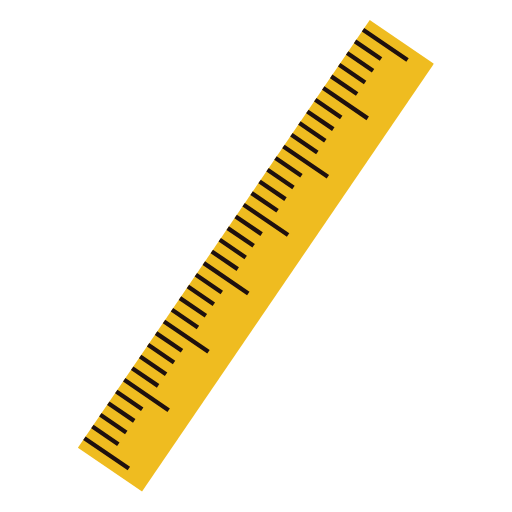
Count: “one.” There is 1 ruler.
Two crayons:

Count: “one, two.” There are 2 crayons.
Three chairs:
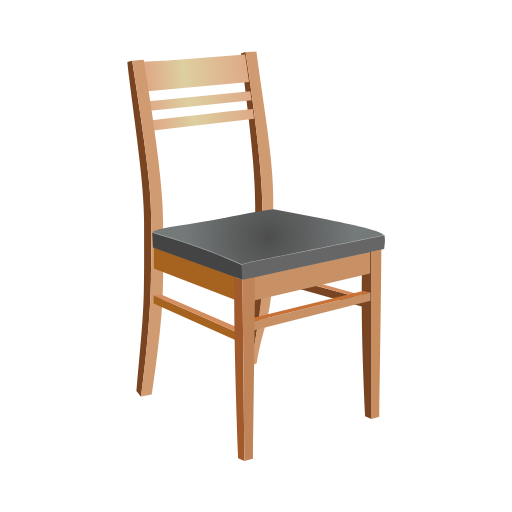
Count: “one, two, three.” There are 3 chairs.
Move your finger from one object to the next as you count. The final number word gives the total.
Counting four and five objects
Keep counting in order when a group has four or five objects. Give each object exactly one number word.
Four books: “one, two, three, four.”
There are 4 books.
Five pencils: “one, two, three, four, five.”

There are 5 pencils.
Count all the objects, even if they are different colors or spread out. Do not count any object twice.
Counting objects in different arrangements
A group still has the same number when its objects are moved, as long as none are added or taken away.
These three markers are in a row. If we move them apart, there are still three markers.
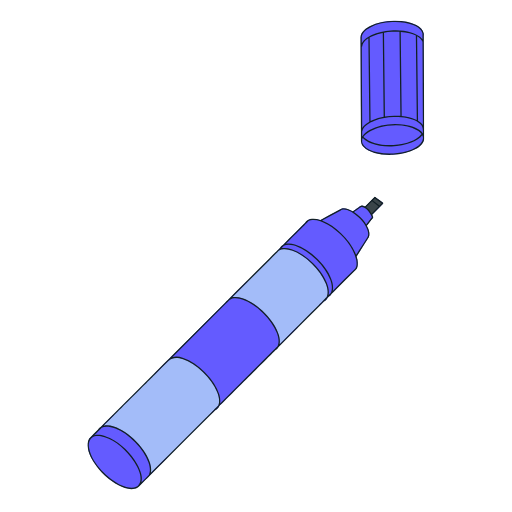
Count again: “one, two, three.” The arrangement changed, but the total is still 3.
Look at each object, not how close together the objects are. Moving them does not change how many there are.
Checking your count
Use this counting routine: look, point, count, and tell. The last number you say tells how many objects are in the group.
- Look: Find all the objects in the group.
- Point: Point to one object at a time.
- Count: Say the number words in order, from one to five.
- Tell: Say the total, such as “There are four objects.”
Start over slowly and point to each object as you say its number. You can move counted objects to one side so you know which ones you have counted.
Notes for teachers
This resource provides explanations, examples, and practice for learners developing early counting skills. Use it for whole-class instruction, guided practice, independent learning, review, or additional reinforcement at home.