What does it mean to count objects?
Counting objects means finding how many separate things are in a group. An object might be a book, cup, pencil, toy, or leaf. Say the number words in order and give one number to each object.
Count in this order: zero, one, two, three, four, five, six, seven, eight, nine, ten. The number word you say last tells how many objects are in the group.
Point to each book once as you count.

- Point to the first book: say “one.”
- Point to the second book: say “two.”
- Point to the third book: say “three.”
You counted three objects, so there are 3 books.
Touch or point to one object for each number word. This one-to-one match helps you avoid skipping an object or counting one twice.
Connecting numerals, number words, and amounts
A numeral is a written number symbol. A number word is the name you say. A group of objects shows the amount. These three ways of showing a number match. For example, 4, “four,” and four circles all mean the same amount.
| Numeral | Number word | Amount |
|---|---|---|
| 0 | Zero | No circles |
| 1 | One | ● |
| 2 | Two | ● ● |
| 3 | Three | ● ● ● |
| 4 | Four | ● ● ● ● |
| 5 | Five | ● ● ● ● ● |
| 6 | Six | ● ● ● ● ● ● |
| 7 | Seven | ● ● ● ● ● ● ● |
| 8 | Eight | ● ● ● ● ● ● ● ● |
| 9 | Nine | ● ● ● ● ● ● ● ● ● |
| 10 | Ten |
● ● ● ● ●
● ● ● ● ●
|
For example, find the numeral 6, say “six,” and count the six circles one by one. Stop when every circle has been counted.
The numeral tells us how many objects there are. It does not tell us the size, color, or kind of object.
Understanding zero objects
Zero means none. If an area has no objects in it, there are zero objects. Zero describes an empty group; it does not mean “one” or “a little.”
Look inside the box. Count only what is inside it.
Nothing is inside, so the box contains 0 objects.
Do not count the container, its lid, or the empty space. Count only the objects you are asked about.
Counting one to five objects
Start at one. Say the next number for each new object, keeping your pointing finger or eyes on the object you are counting. Stop after every object has been counted once.
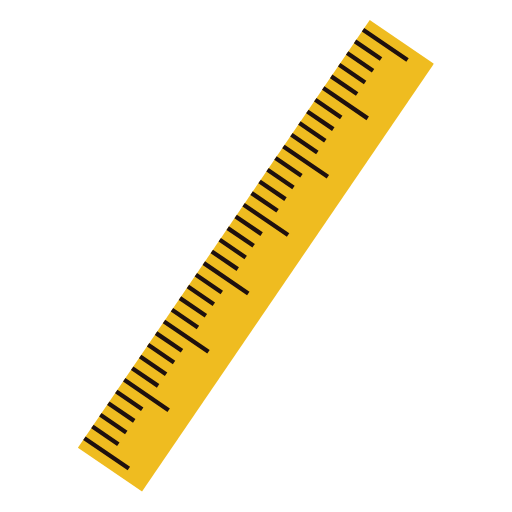
1 ruler: Point to it and say “one.” There is 1 ruler.
2 crayons: Point and count “one, two.” There are 2 crayons.

5 pencils: Keep the number words in order: “one, two, three, four, five.” There are 5 pencils.

If objects look alike, keep track of where you started. Move each counted object to a new spot when possible, or point carefully without moving anything.
Counting six to ten objects
For larger groups, keep counting after five: six, seven, eight, nine, ten. Continue giving one number word to each object. The last number word is the total.
These eight books can be counted one by one, or in two small groups to help you keep your place.

- Count the first five books: “one, two, three, four, five.”
- Keep counting the remaining books: “six, seven, eight.”
- Say the total: “There are eight books.”
You can also think of eight as five and three more. The groups help you organize the count; they do not change the total.
Take your time with six, seven, eight, nine, and ten. Point to each object as you say its number so you do not skip or repeat one.
Counting objects in different arrangements
The total stays the same when objects are spread out, close together, or moved into a new arrangement, as long as none are added or taken away.
Count these markers: “one, two, three.” If you spread them farther apart, count again. There are still 3 markers.
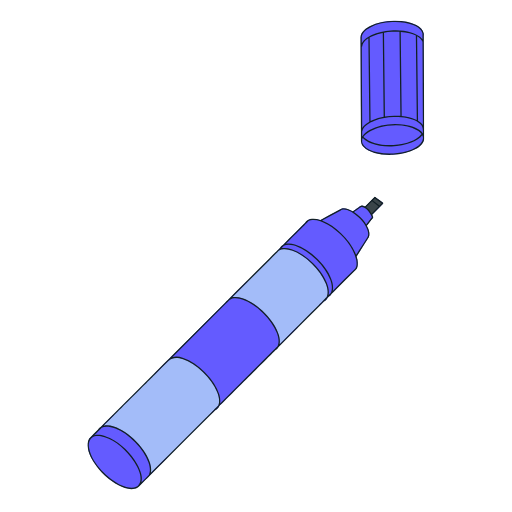
Do not decide by how much space the group takes up. A spread-out group can have fewer objects than a close group. Count to find the total.
Count only the objects the question asks for
Sometimes a picture has different kinds of things. Read or listen to the question, decide which objects to count, and ignore the others. If asked for pencils, count pencils?not books or crayons.
Look at the mixed group. Count only the three pencils.
There are 3 pencils. The book and crayon are objects too, but they are not pencils.
Name the kind of object as you count it. This helps you keep track when a group contains more than one kind of thing.
Check your count
Use this routine: look, choose, point, count, and tell.
- Look: Find the whole group.
- Choose: Notice which objects the question asks you to count.
- Point: Point to one object at a time.
- Count: Say the numbers in order, giving one number to each object.
- Tell: Say the last number and name the objects, such as “There are 7 cups.”
- Check: Count once more if you are unsure. Make sure no object was missed or counted twice.
Counting carefully is more important than counting quickly. If you lose your place, start again slowly from the first object.
Notes for teachers
This guide builds one-to-one counting, number-word order, cardinality, and numeral-to-quantity matching. Use real classroom objects for hands-on practice, model pointing to each object once, and let learners recount without pressure. For mixed groups, have learners identify the object type before counting. For zero, use a clearly empty container and emphasize that zero describes none of the target objects.